If you have ever cooked a curry, visited a health food store, or looked into natural remedies, you have probably come across foenegriek. Maybe you saw it on a spice rack, heard someone mention it in a conversation about herbal teas, or read about it online. Either way, this little golden seed has a lot more going on than most people realize.
Foenegriek is the Dutch name for fenugreek, a plant that has been used in kitchens and medicine cabinets for thousands of years. Today, people around the world use it for cooking, for supporting their health, and for everything in between. In this article, we will look at what foenegriek is, where it comes from, how it is used, and what the current research says about its benefits.
What Exactly Is Foenegriek?
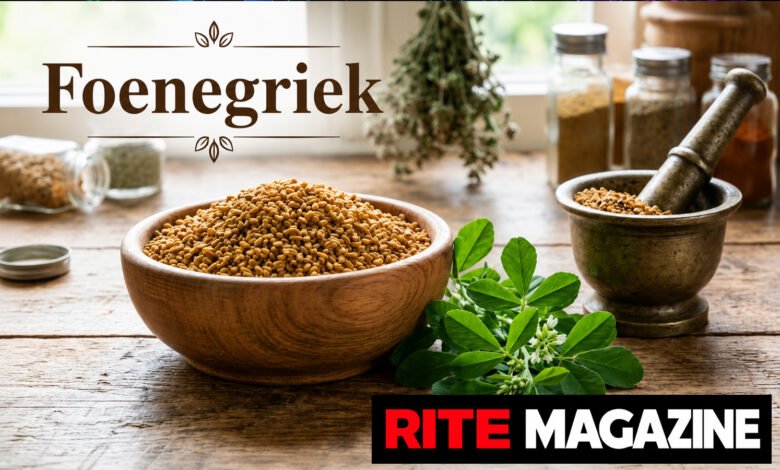
Foenegriek, known in English as fenugreek, is a plant with the scientific name Trigonella foenum-graecum. It belongs to the legume family, which means it is related to beans and lentils. The plant grows to about 60 to 90 centimeters tall and has small white flowers. It produces pods that carry small, golden-brown seeds. These seeds are the part most people use, though the leaves are also edible and popular in cooking.
The name foenum-graecum is Latin and roughly translates to “Greek hay,” which gives you a clue about the plant’s deep roots in European and Mediterranean history. In the Netherlands and Belgium, the plant is commonly called foenegriek, which is where this name comes from.
The seeds have a slightly bitter, nutty taste. Their aroma is often described as warm and sweet, similar to maple syrup or caramel. This unique smell comes from a compound called sotolone, which is also found in maple syrup. It is one of the reasons foenegriek is so easy to recognize in dishes.
A Very Old Plant with a Long History
Foenegriek is not a new discovery. Humans have been growing and using this plant for at least 4,000 years, possibly longer. Ancient Egyptians used fenugreek seeds in cooking and herbal preparations. Seeds were even found in Egyptian tombs, which shows how much this plant was valued.
Greek and Roman doctors wrote about fenugreek in their medical texts. They used it as a remedy for digestive problems, skin issues, and respiratory conditions. It was considered both a food and a medicine, which was a common way of thinking in ancient times.
In South Asia, especially in India, foenegriek became a central part of everyday cooking and traditional medicine. Ayurveda, which is one of the world’s oldest medical systems, has used fenugreek for centuries to support digestion, reduce inflammation, and help with women’s health. In Traditional Chinese Medicine, fenugreek seeds were used to support kidney health and treat cold-related conditions.
Over time, the plant spread across Asia, the Middle East, North Africa, and Europe. Each culture found its own way to use it, but the common thread was always the same: foenegriek is a useful, powerful plant that deserves a place in daily life.
What Is Inside a Foenegriek Seed?
One reason foenegriek has been used for so long is because it is packed with good things. A small serving of fenugreek seeds contains:
Fiber: Foenegriek seeds are high in soluble fiber. This type of fiber absorbs water and forms a gel in the digestive system, which slows down the absorption of sugar and helps you feel full longer.
Protein: For a plant, fenugreek has a surprisingly good amount of protein, which makes it a useful addition to vegetarian and vegan diets.
Iron: Fenugreek is a decent source of iron, which supports red blood cell production and energy levels.
Magnesium: This mineral is important for hundreds of body functions, including muscle and nerve function.
Vitamin B6: This vitamin helps the body process food into energy and supports brain health.
Antioxidants: Foenegriek contains compounds that help fight oxidative stress in the body, which is connected to aging and disease.
Active plant compounds: The seeds contain saponins, phytoestrogens, and a compound called 4-hydroxyisoleucine, which researchers believe may play a role in blood sugar regulation.
This combination of nutrients and active compounds is why foenegriek is studied for so many different health purposes.
How People Use Foenegriek in Cooking
Foenegriek has a strong flavor, so it is usually used in small amounts. In Indian cooking, whole or ground fenugreek seeds are used in spice blends like curry powder and garam masala. They are also used in dal (lentil dishes), vegetable curries, and pickles.
The leaves, called methi in Hindi, are used in dishes like methi paratha (flatbread), methi chicken, and various vegetable preparations. Fresh methi leaves have a slightly bitter taste that adds depth to a dish.
In Middle Eastern and North African cooking, foenegriek is used in spice mixes like hilbeh, a Yemeni condiment, and ras el hanout, a Moroccan spice blend. In Ethiopia, it is an ingredient in berbere, the country’s famous red spice mix.
Foenegriek is also used to make herbal tea. You can simply soak the seeds in water overnight and drink the liquid, or boil the seeds to make a warm tea. Some people add honey or lemon to improve the taste.
In Western countries, fenugreek extract is commonly used as a flavoring in artificial maple syrup. If you have ever bought pancake syrup that tastes like maple but does not come from a tree, there is a good chance foenegriek is part of the reason it smells the way it does.
Health Benefits People Talk About
Helping with Blood Sugar
One of the most studied uses of foenegriek is its effect on blood sugar levels. The soluble fiber in the seeds slows down how fast carbohydrates are absorbed into the bloodstream. This can help prevent sharp spikes in blood sugar after meals.
Research, including meta-analyses that look at multiple studies together, suggests that fenugreek supplementation may lower fasting blood sugar and improve long-term blood sugar markers. A compound in the seeds called 4-hydroxyisoleucine may also help the body use insulin more effectively. This makes foenegriek particularly interesting for people who are managing diabetes or are at risk of developing it. That said, foenegriek is not a replacement for medication or medical care. Anyone with diabetes should speak to a doctor before using it as a supplement.
Supporting Digestive Health
Foenegriek has a long history of being used to soothe the stomach. The seeds contain mucilage, a gel-like substance that can coat the lining of the digestive tract and reduce irritation. The fiber in the seeds also supports healthy bowel movements and may help with constipation.
Traditional herbal medicine has used fenugreek for bloating, indigestion, and stomach discomfort for centuries. Some modern research supports these uses, though more studies are still needed.
Breast Milk Production in New Mothers
One of the most well-known uses of foenegriek is to help breastfeeding mothers produce more milk. In traditional medicine across Asia and the Middle East, new mothers have been given fenugreek-based foods and drinks to support lactation.
Research suggests fenugreek may work as a galactagogue, which is a substance that encourages milk production. Some studies have found that mothers who use fenugreek experience a noticeable increase in breast milk within a few days. However, the evidence is still mixed, and not all studies show the same results. If you are a breastfeeding mother considering fenugreek, it is best to first talk to a lactation consultant or doctor.
Supporting Testosterone Levels in Men
Foenegriek has become popular among men who want natural support for testosterone levels and energy. Some research shows that fenugreek extract may help maintain healthy testosterone levels, improve libido, and support stamina.
One study found that taking 300 milligrams of fenugreek seed extract twice a day for eight weeks led to significant increases in testosterone levels in men who were also doing resistance training. Participants also saw a reduction in body fat. Other studies using 600 milligrams per day also showed positive results for sexual desire and energy. The active compounds thought to be responsible are furostanolic saponins, which may block enzymes that convert testosterone into estrogen.
While the results are encouraging, researchers are clear that more large-scale studies are needed before strong claims can be made.
Heart Health and Cholesterol
Some research suggests fenugreek may support heart health by helping to lower LDL cholesterol and triglycerides, which are types of fat in the blood that are linked to heart disease when levels are too high. The fiber in fenugreek binds to bile acids in the gut, which forces the body to use cholesterol to make more bile, effectively lowering blood cholesterol levels. The potassium in fenugreek may also help with blood pressure regulation.
Skin and Hair
In many traditional cultures, fenugreek seeds are ground into a paste and applied to the skin or hair. The antioxidants and anti-inflammatory compounds in the seeds may help soothe irritated skin, reduce redness, and tighten pores when used as a face mask. For hair, fenugreek is believed to nourish the scalp, strengthen hair roots, and promote growth. These uses are primarily traditional, and scientific research on topical fenugreek is still limited. However, many people include fenugreek seed paste in their skincare and haircare routines with positive results.
Things to Keep in Mind Before Using Foenegriek
Foenegriek is generally considered safe when used in normal food amounts. However, there are a few things worth knowing:
Large doses can cause digestive discomfort. Too much fenugreek at once may cause bloating, gas, or diarrhea, especially if you are not used to it. It is best to start with a small amount.
It may interact with diabetes medication. Because foenegriek can lower blood sugar, people who are already on medication for diabetes need to be careful about using large amounts of fenugreek supplements. The combined effect could make blood sugar drop too low.
Allergies are possible. If you are allergic to peanuts or other legumes, you may also react to fenugreek, as the plants are related. Always test a small amount first.
Pregnancy considerations. High doses of fenugreek supplements are not recommended during pregnancy, as they may stimulate uterine contractions. Using fenugreek as a normal cooking ingredient in food is generally considered fine, but medicinal doses should be avoided without medical advice.
Children and supplements. Fenugreek as a food ingredient is fine for children, but concentrated supplements are generally not recommended for young children.
How Foenegriek Is Available Today
Foenegriek is easy to find in most parts of the world. You can buy the whole seeds, ground powder, fresh or dried leaves, and capsule supplements. In the Netherlands and Belgium, foenegriek seeds and powder are available in health food stores, spice shops, and online.
For cooking, the whole seeds or ground powder are most commonly used. For health supplements, capsules containing standardized fenugreek extract are popular. Dosages used in studies range from about 500 to 600 milligrams per day for testosterone support and up to 2,000 milligrams per day for blood sugar management, though it is always best to follow the advice of a healthcare professional when taking supplements.
Fenugreek tea is another easy option. Soaking one teaspoon of seeds in a cup of water overnight and drinking it in the morning is a simple way many people include it in their daily routine.
Why Foenegriek Is Still Popular Today
In a world full of trendy superfoods that come and go, foenegriek has stayed relevant for a very simple reason: it works for many people in many different ways. It is versatile enough to be used in the kitchen and in a health supplement. It has a history that goes back thousands of years across multiple cultures. And ongoing research continues to find new reasons to take it seriously.
Whether you are interested in the cooking side of things, curious about natural ways to support your blood sugar or hormone health, or just want to understand what that spice in your curry blend actually is, foenegriek is worth knowing about.
It is a small seed with a big history and a growing future.
Frequently Asked Questions
Q: Is foenegriek the same as fenugreek?
Yes, completely. Foenegriek is simply the Dutch name for the plant known in English as fenugreek. The scientific name is Trigonella foenum-graecum. Whether you see it called foenegriek, fenugreek, methi (in South Asian cooking), or by any other regional name, it is the same plant and the same seeds.
Q: Can I use foenegriek every day?
For most healthy adults, using foenegriek regularly as a cooking ingredient is perfectly fine. If you are thinking about taking it as a supplement in larger doses, it is a good idea to speak with a doctor first, especially if you have diabetes, are pregnant, are breastfeeding, or take regular medication. Starting with small amounts and seeing how your body responds is always a sensible approach.
Q: Does foenegriek really help with blood sugar?
The research on foenegriek and blood sugar is one of the better-studied areas. Several studies and meta-analyses suggest that fenugreek can help lower fasting blood sugar and improve insulin sensitivity, partly due to its high fiber content and the compound 4-hydroxyisoleucine. However, it is not a cure or a replacement for medical treatment. It can be a helpful addition to a healthy lifestyle and diet, but anyone with diabetes should talk to their doctor before using fenugreek supplements.
For More Amazing Information : Rite Magazine