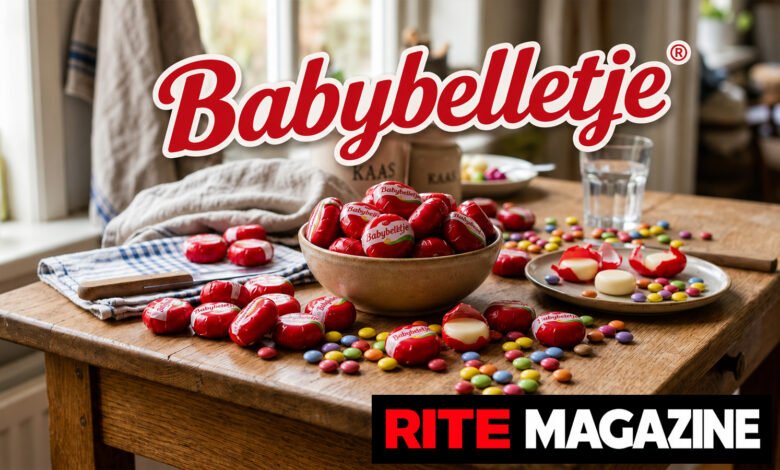
Have you ever come across a word online that just sounds… nice? A word that feels soft, warm, and friendly even before you know what it means? That is exactly what babybelletje is. This little Dutch word has been showing up more and more on social media, in parenting blogs, and across search engines. And people are curious.
What Does Babybelletje Mean?
The word babybelletje comes from the Dutch language. It is made up of two parts: “baby” and “belletje.” In Dutch, belletje means “little bell.” The ending -tje is what makes it small and sweet. So the full word translates to something like “little baby bell.”
But the meaning does not stop there. In Dutch, these small word endings (called diminutives) do more than just describe size. They express warmth, closeness, and affection. When a Dutch speaker calls something a belletje instead of just a bel, they are not only saying it is small. They are also saying it is dear to them.
This is why babybelletje carries such a warm and gentle tone. Even people who do not speak Dutch can feel it just by saying the word out loud.
Where Did the Word Come From?
The word has a few different starting points, and they all come together to explain why it is so popular today.
The Cheese Connection
Many people first heard the word through food. Babybel is a well-known brand of small, round cheese snacks that are wrapped in red wax. They are popular across Europe and are loved by children and adults alike. In Dutch-speaking countries like the Netherlands and Belgium, people started calling these small cheese rounds babybelletje, which simply means “a little Babybel.” The word felt natural because of the way Dutch diminutives work.
So when someone in the Netherlands picks up one of these tiny cheese rounds, they might say, “Ik eet een babybelletje,” which means “I am eating a little Babybel.” It is casual, friendly, and fun.
The Dutch Language Tradition
Dutch speakers have a long habit of using diminutives. Words like kopje (little cup), huisje (little house), and bloempje (little flower) are part of everyday speech. These small changes to words make language feel warmer and more personal. Babybelletje fits right into this tradition.
The Internet and Social Media
The third piece of the story is the internet. In late 2025 and into 2026, three things happened at the same time. A soft and calm lifestyle trend started growing on TikTok. Parents began looking for unique and meaningful names for their children. And Dutch-influenced wellness content started reaching more people around the world. These three things together pushed babybelletje into the spotlight. Searches for the word started growing fast.
How Is Babybelletje Used Today?
This is where it gets interesting. The word has picked up multiple meanings depending on where you find it and who is using it. Here are the main ways people use babybelletje today.
1. As a Name for the Mini Babybel Cheese
This is the most traditional use. In Dutch-speaking Europe, babybelletje simply refers to the small Babybel cheese rounds. Each one is about 20 grams, wrapped in red wax, and easy to carry around as a snack. They are known for being a fairly healthy and tasty option, especially for children.
2. As a Pregnancy or Baby Necklace
Another popular use of the word is in the world of pregnancy jewelry. A bola is a type of necklace that makes a soft, gentle ringing sound when it moves. Pregnant people sometimes wear them so the baby can hear the soft sound in the womb. These necklaces are sometimes called babybelletje in Dutch, because they are literally a “little baby bell.”
This use of the word is deeply emotional. It connects the idea of a little bell with the experience of growing a new life. Many parents find it a beautiful and meaningful concept.
3. As a Nickname or Baby Name
Some parents have started using babybelletje as a pet name or nickname for their babies. It is not common as a legal first name, mostly because it is hard to pronounce for people who do not speak Dutch. But as a sweet nickname used at home, it works perfectly. It sounds loving, playful, and personal.
There is also a broader trend of parents moving away from traditional names and looking for something more unique and story-driven. Babybelletje fits that desire well, even if most families use it informally.
4. As a Lifestyle Aesthetic Online
This is one of the newest uses and one of the fastest growing. On platforms like TikTok and Instagram, the hashtag #babybelletje has started appearing on content that has a certain feel. Think soft colors, gentle parenting moments, cozy home corners, small joys, and slow living.
This aesthetic is similar to trends like cottagecore or pastel lifestyles. People who use babybelletje in this context are expressing a preference for calm, simple, and emotionally warm content. The word itself sounds so gentle that it works perfectly as a label for this type of digital space.
5. As a Playful Description for Anything Small and Round
Dutch internet culture has also adopted the word in a more playful way. Just as English speakers might call something “adorable” or “precious,” Dutch speakers sometimes call small, round, cute things a babybelletje. You might see someone post a photo of a small round pebble at the beach with the caption “What a little babybelletje I found!” It is light-hearted and funny, and it shows how language grows naturally through creative use.
Why Is Babybelletje Trending in 2026?
There are a few clear reasons why this word keeps growing in searches and social media conversations.
It Sounds Good
The word is soft and musical. It rolls off the tongue in a way that feels pleasant. Even people who have never heard Dutch before can appreciate the sound. This matters a lot in the age of social media, where catchy and memorable words spread quickly.
It Has More Than One Meaning
Most trending words have a single meaning. Babybelletje is different because it works in multiple contexts. A food blogger, a pregnant parent, a lifestyle creator, and a language learner can all use the same word and make sense. This flexibility keeps the word relevant across different audiences.
The Dutch Connection Feels Fresh
Dutch culture and language are not always in the global spotlight, which makes babybelletje feel a little special and different. People enjoy discovering words and ideas from cultures they do not know well. It adds a sense of discovery to the experience.
Soft and Gentle Language Is in Demand
There is a growing preference online for words and content that feel kind, soft, and comforting. People are tired of aggressive or harsh content. Words like babybelletje feel like a small escape from that. They are gentle by nature, and that feels good.
Parenting Communities Love It
Parents are always looking for new and meaningful language to describe their experiences with their children. Babybelletje offers that. Whether it is used for a cheese snack shared with a toddler, a ringing necklace during pregnancy, or a sweet nickname, it fits right into the parenting world.
Babybelletje and the Dutch Language
To really understand babybelletje, it helps to understand a little about Dutch. Dutch is a language spoken by about 24 million people, mainly in the Netherlands and Belgium. It is known for its use of diminutives, which are small changes to words that make them sound smaller, cuter, or more affectionate.
In English, we sometimes do this too. We say “doggy” instead of “dog,” or “kitty” instead of “cat.” But in Dutch, this happens constantly and in a very structured way. Almost any noun can become a diminutive just by adding -je or -tje to the end.
This tradition makes Dutch a very warm language for expressing affection. And it is exactly why a word like babybelletje can carry so much emotional meaning even in everyday use.
A Word That Brings People Together
One of the most interesting things about babybelletje is how it connects people across different interests and backgrounds. A Dutch parent and a British food blogger and a wellness creator in Australia might all use the same word, but for completely different reasons. And yet all of them are drawn to something in common: the feeling of warmth, smallness, and gentle joy that the word carries.
That is not something many words can do. It is what makes babybelletje more than just a trending keyword. It reflects something real about what people are looking for right now. Comfort. Connection. And a little sweetness in everyday life.
Quick Summary
- Babybelletje is a Dutch word that means “little baby bell”
- It comes from the Dutch language tradition of using diminutives to show affection
- The word is used to describe Mini Babybel cheese, pregnancy necklaces, baby nicknames, and a soft lifestyle aesthetic
- It started trending in late 2025 and into 2026 thanks to social media, parenting content, and lifestyle trends
- The word is loved for its gentle sound, flexible meaning, and warm emotional tone
10 Frequently Asked Questions About Babybelletje
1. What does babybelletje mean in English?
Babybelletje is a Dutch word that translates to “little baby bell” in English. It combines “baby” with “belletje,” which is a diminutive form of “bel,” meaning bell. The word carries a warm, gentle, and affectionate tone.
2. Is babybelletje a real Dutch word?
Yes, it is a real word used in Dutch-speaking countries, especially the Netherlands and Belgium. It follows the natural rules of Dutch diminutive word formation and is commonly used in everyday speech, particularly when referring to small Babybel cheese rounds.
3. Why is babybelletje trending online?
It became popular thanks to a combination of TikTok lifestyle trends, growing interest in Dutch culture, and a broader demand for soft and gentle language online. Parents, food creators, and lifestyle bloggers all found different reasons to use the word at around the same time.
For More Amazing Information : Rite Magazine